






Inquiry
|
Silicon carbide kiln furniture is a critical consumable in the sintering process of lithium battery materials (especially cathode and anode materials), primarily including pusher plates, saggars, crucibles, supports, columns, and beams. Its performance directly affects the consistency, yield, and production cost of the materials.
II. Why the Lithium Battery Industry Chooses Silicon Carbide Kiln Furniture?
| Key Requirement | Advantages of Silicon Carbide Kiln Furniture |
|---|---|
| High Purity Requirement | High-purity silicon carbide (SiC content ≥99%) prevents material contamination |
| High-Temperature Stability | Long-term resistance to 1300-1600°C (sintering temps typically 1100-1400°C for battery materials) |
| Thermal Shock Resistance | Suitable for rapid heating/cooling processes, reducing cracking (sintering cycles range from tens to hundreds of hours) |
| Chemical Inertness | Resists corrosion from active substances like lithium salts, acids, and bases |
| High Load-Bearing Strength | Maintains shape under multi-layer stacking, increasing loading capacity |
| Long Service Life | Life expectancy 3-10 times longer than traditional alumina kiln furniture |
III. Main Product Types and Applications
1. Pusher Plates / Carrier Plates
-
Use: Used in pusher kilns to carry saggars through the kiln
-
Features:
-
Precise dimensions: Ensure smooth transportation
-
Flat surface: Prevent saggar tilting
-
Thermal shock resistant: Withstands temperature differentials at kiln ends
-
-
Common Specifications: Length 1-2m, width 300-500mm, thickness 25-50mm
2. Saggars / Crucibles
-
Use: Directly contain cathode/anode material powders (e.g., LFP, NCM/NCA, LCO)
-
Features:
-
Various designs: Square, round, with compartments
-
Uniform wall thickness: Ensures consistent heat transfer
-
Smooth inner walls: Facilitate unloading, reduce material sticking
-
-
Common Specifications: Customized based on loading capacity, typical volume 5-50L
3. Crucibles
-
Use: Sintering of small-batch, high-value-added materials (e.g., high-nickel ternary, solid-state electrolytes)
-
Features: Monolithic molding, better sealing
4. Kiln Structural Components
-
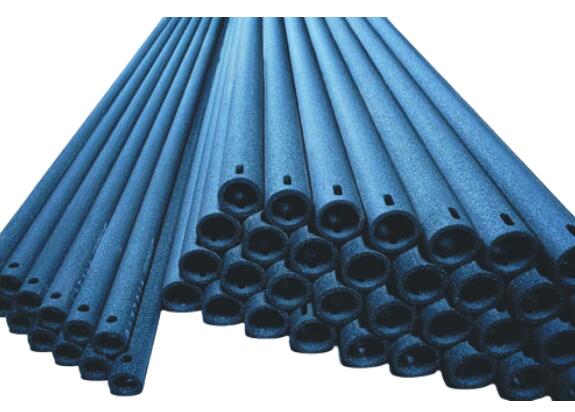
Columns, Beams, Supports: Used in roller hearth kilns, box furnaces for internal support structures
-


